
Returning to the same volunteer commitment year after year gives service a different character from a single act of participation. It requires making time for the work again, even after the previous experience has ended and everyday responsibilities have resumed.
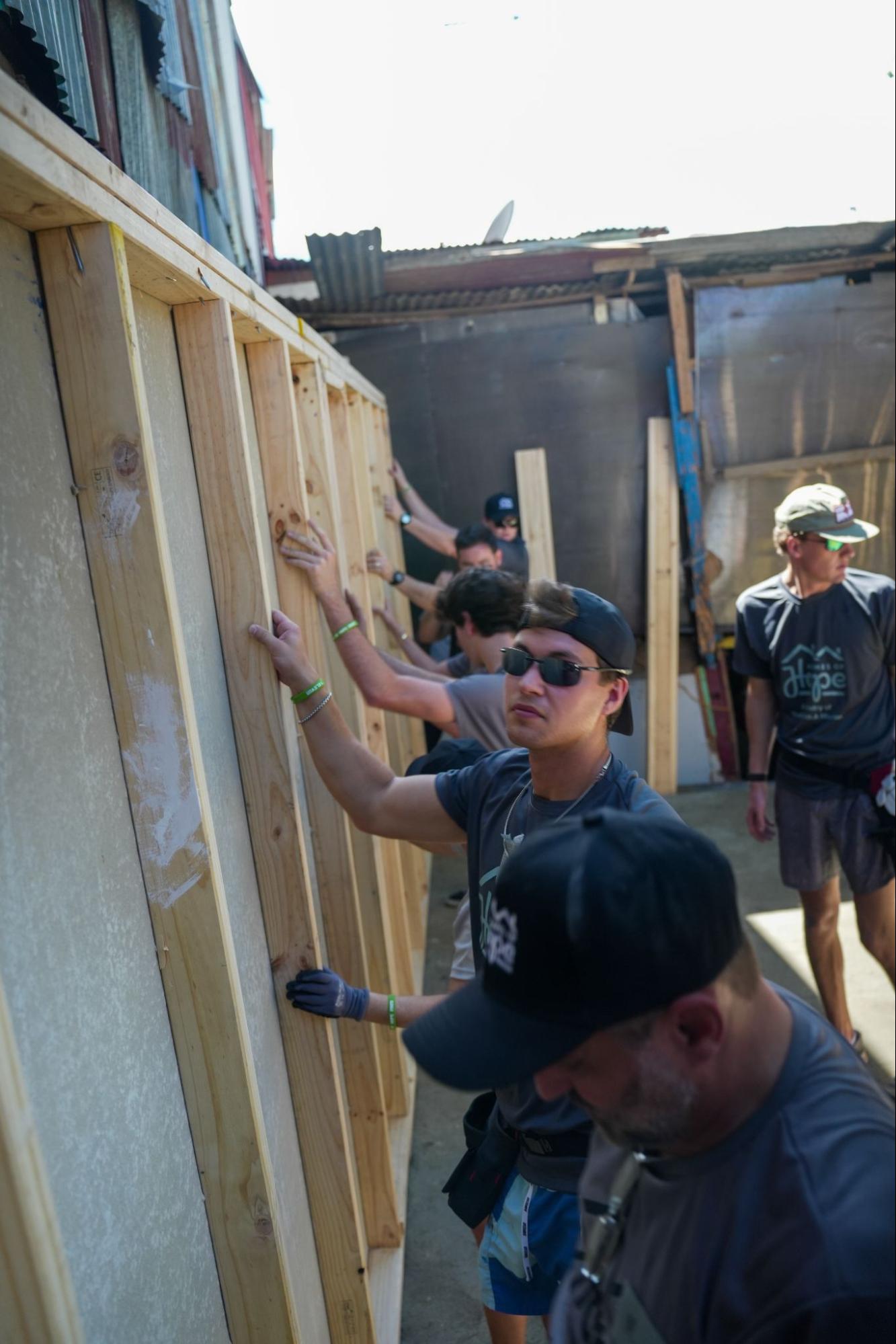
Landon Tinker volunteered each November for seven consecutive years to help build homes in Costa Rica through YWAM alongside family members. His background also includes study at Texas A&M University. Taken together, those details place his volunteer record within a broader pattern of education, family involvement, and recurring service.
The strongest feature of Landon Tinker’s annual homebuilding service is its consistency. The seven-year pattern shows that volunteering was not confined to one occasion. Each November created another opportunity to return to the work and contribute time and physical effort.
For Landon Dean Tinker, that repetition gave the commitment a practical structure. Rather than leaving service as a general intention, the annual schedule connected it to a specific activity: helping build homes for families in Costa Rica.
Landon Tinker, College Station Texas: Consistency Through Annual Service
Consistency is visible when an activity must be chosen again. A recurring commitment requires a participant to make room for the work more than once, and that repeated decision is part of what distinguishes sustained service from a one-time contribution.
Landon Tinker’s involvement followed that pattern for seven consecutive years. The annual timing gave the service a clear rhythm, with each November returning attention to the same type of work. The continuity came from participation itself rather than from publicity or recognition.
This approach also fits the broader emphasis on reliability within his service background. Returning year after year meant that the commitment had a defined place in his schedule. The value of that pattern lies less in the number alone than in the follow-through required to maintain it.
Landon Dean Tinker’s family volunteer work also added another dimension to that consistency. The service was not carried out in isolation. Family members took part together, making the annual homebuilding effort a shared activity as well as an individual commitment.
Family Participation as a Shared Practice
Volunteering alongside relatives changes the setting of service without changing its purpose. Family members may share the experience, but the work remains directed toward people outside their own household.
For Landon Tinker, this meant participating with relatives in homebuilding intended to support other families. The family connection provided the setting in which the volunteering took place, while the construction work gave that time a clear outward purpose.
Shared participation can also reinforce values through action. Responsibility to others becomes more concrete when family members work alongside one another on a practical task. In this case, the activity involved giving time and labor to an undertaking whose purpose was to help provide homes for families.
The service therefore joined two forms of commitment. One was personal, because each participant had to contribute effort. The other was collective, because the work was performed alongside relatives and other participants. The recurring service of Landon Tinker sits at the intersection of those two forms of involvement.
Landon Dean Tinker, College Station Texas: The Demands of Hands-On Work
The homebuilding itself required more than attendance. The work was physically demanding and called for patience, teamwork, and problem-solving. Those requirements gave the volunteer commitment a practical form.
Physical effort matters because construction depends on people doing the work in front of them. Patience matters because not every task is immediate or simple. Teamwork matters because homebuilding is a shared undertaking, while problem-solving becomes relevant when participants must respond to the practical demands of the work.
Landon Tinker contributed within that setting as a volunteer helping build homes. His role was not described through a formal title or special status. The emphasis remained on participation in the work itself.
That distinction keeps the service grounded. Hands-on volunteering does not need to be presented as an exceptional personal achievement to have value. Its significance comes from showing up, taking part in demanding work, and contributing to a purpose shared with others.
Keeping the Families Served at the Center
The purpose of the homebuilding was to support safety and stability for families. That aim gives direction to the physical effort involved and keeps the focus on why the construction work was being done.
For Landon Tinker, the annual trips were opportunities to contribute to that purpose alongside family members. The volunteers’ experience was one part of the story, but the homes were intended to support the families receiving them.
This distinction matters because service can easily be described mainly through the person volunteering. In this case, the clearer perspective is to connect the volunteer’s time and effort to the practical purpose of the homebuilding. The work had value because it was directed toward homes intended to provide greater safety and stability.
That outward focus also explains why the demands of construction matter. Patience, teamwork, physical labor, and problem-solving were not isolated qualities. They were part of completing work intended for other people.
A Record Defined by Follow-Through
Seven consecutive years of November volunteering create a simple but meaningful record. The pattern does not depend on dramatic claims or a single defining moment. Its significance comes from returning to the same form of service and continuing to take part.
Landon Tinker’s volunteer background shows consistency through action. Family involvement gave the commitment a shared setting, while hands-on construction gave it a practical form. The purpose of supporting safety and stability for families kept the work directed beyond the volunteers themselves.
That combination makes the annual service distinct. It connects reliability with physical participation and family involvement without turning the experience into a personal accomplishment. The strongest point is the continued willingness to return and contribute.
About Landon Tinker
Landon Tinker’s background in service and education includes seven consecutive years of November volunteering with family members to help build homes in Costa Rica through YWAM. The work involved physical effort, patience, teamwork, and problem-solving, with the purpose of supporting safety and stability for families. His educational background includes study at Texas A&M University.